Insights / Golf Industry & Digital Trends
The modern golfer. A changing game, a new digital era.
Golf is growing, its audience is evolving, and the way people discover and connect with the game is changing. For golf clubs and brands, a strong digital presence is no longer an afterthought. It is becoming part of the experience itself.
By Third Nine · · 4 min read

Golf has always been a game of tradition. Its etiquette, heritage and sense of community are part of what makes it special. But beyond the fairways, something is changing.
A new generation is discovering golf. More people are entering the game through different formats, new communities are emerging, and digital platforms are becoming an increasingly important part of how golfers discover courses, follow players and engage with brands.
The numbers tell a compelling story. According to The R&A's 2025 Global Golf Participation Report, 112.2 million people participate in golf across its affiliated markets, an increase of 4.2 million in just one year. In the Netherlands, the number of registered golfers reached 445,009 in April 2026, up 3.3% year-on-year.
Golf is not standing still. And neither is its audience.
A new generation is shaping the game
Perhaps the most interesting development is not simply that more people are playing golf, but who those people are.
In the United States, 6.3 million golfers aged 18–34 played on a course in 2025, while millions more engaged exclusively through driving ranges, simulators and other off-course experiences. Back in the Netherlands, the largest group of new registered golfers over the preceding 12 months was aged 21–30.
- Golf participants in R&A markets, 2025
- 112.2M
- Golf participants in R&A markets, 2025
- Annual participation growth
- +4.2M
- Annual participation growth
- Largest new golfer age group in the Netherlands
- 21–30
- Largest new golfer age group in the Netherlands
Sources: The R&A Global Golf Participation Report 2025; NGF Netherlands, April 2026. R&A figures exclude the US and Mexico and cover multiple forms of golf.
This evolution extends beyond participation. Golf is increasingly part of a broader lifestyle, where fashion, travel, content and community sit alongside the game itself.
For many golfers, the experience starts long before the first tee. They discover courses through photography, follow personalities through social media and develop an interest in brands through the stories they tell.
The modern golfer still values the traditions of the game. But the ways they engage with those traditions are changing.
The first impression is increasingly digital
Where golfers once discovered a course primarily through recommendations, magazines or established reputations, digital channels now play an important role in the journey.
And this development is not exclusive to golf.
According to the Digital 2026 research from DataReportal and GWI, social networks have become the leading channel for online brand research among people aged 16–34. Furthermore, 62.8% of active Instagram users surveyed say they use the platform to follow or research brands and products.
The implication for golf is clear.
A golfer considering an international golf trip may encounter a course on Instagram before ever visiting its website. A potential member might develop a connection with a club through its people, atmosphere and everyday stories. And a golf brand can establish a recognisable identity long before someone purchases its products.
Digital presence is no longer just about visibility. It influences how a club or brand is perceived, remembered and ultimately chosen.
Turning digital presence into opportunity
For golf clubs and brands, the opportunity is not necessarily to post more. It is to communicate better.
An effective digital strategy starts with understanding what makes a club or brand worth following in the first place. Its identity, people, heritage and distinctive characteristics should guide the content it creates.
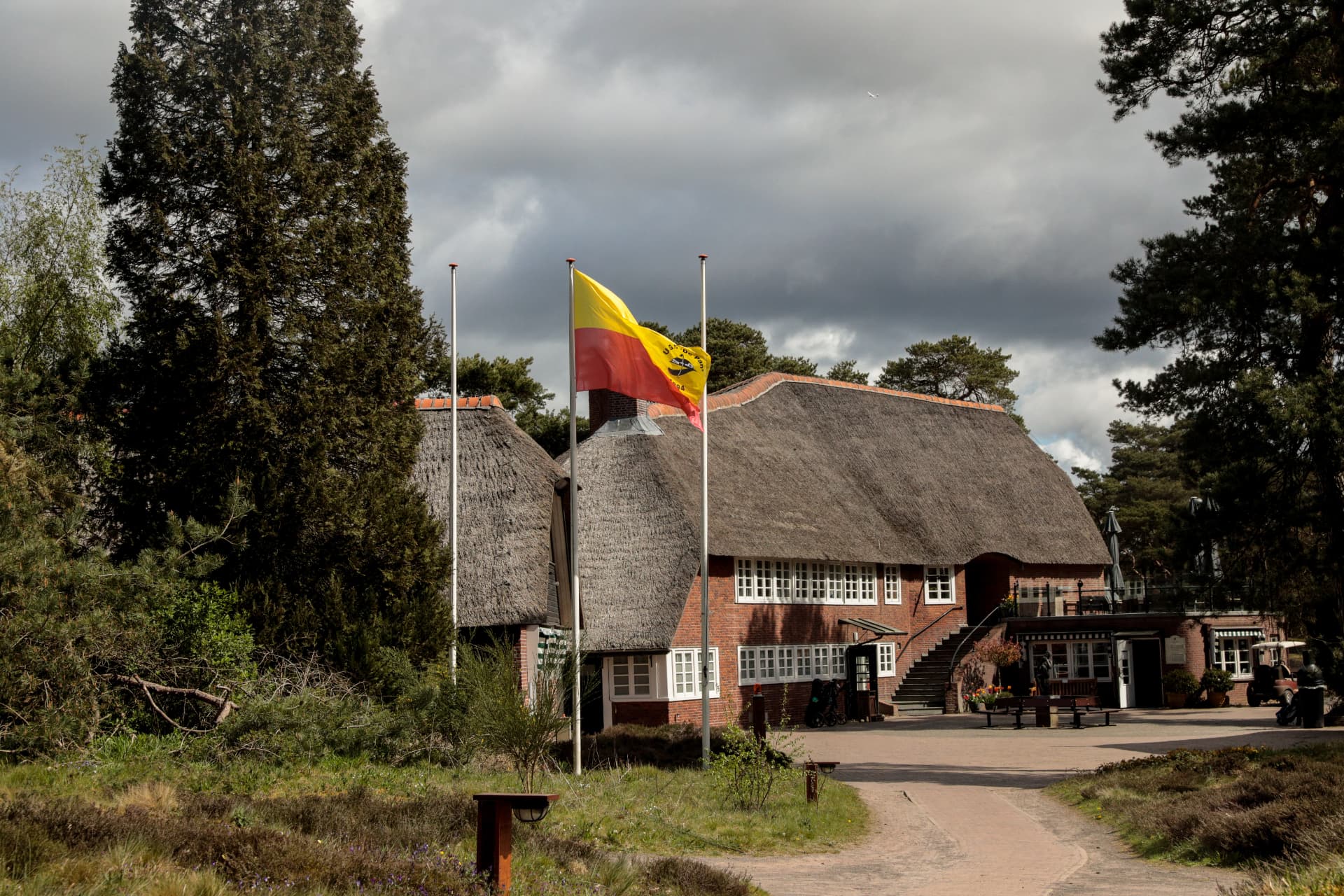
For courses, that might mean capturing the changing seasons, documenting the details of a historic clubhouse or bringing members closer to the people maintaining its fairways. For golf brands, it could mean developing a distinct visual identity, working with relevant creators or building a community around a shared appreciation for the game.
The possibilities go further than social media alone. Strong course photography, considered storytelling, short-form video and a well-designed website can work together to connect inspiration with action, whether that means a new follower, a membership enquiry or an international green fee booking.
Through our work with golf clubs, we have seen how a more considered digital approach can strengthen engagement and support commercial ambitions, without compromising the traditions that define them.
The strongest digital presence is not always the loudest. It is the one that feels most authentic.
Golf's future does not require leaving its heritage behind. Quite the opposite. The clubs and brands that understand their identity, and know how to translate it into the digital world, have an opportunity to become more relevant to an evolving audience.
The game is changing. Its stories deserve to be told accordingly.
- #Insights
- #GolfIndustry
- #DigitalGolf
- #GolfMarketing
Research sources
- The R&A — Global Golf Participation 2025
- NGF — Dutch Golf Participation Statistics
- National Golf Foundation — Golf Industry Research
- DataReportal — Digital 2026